
City Guide: Fort Worth
Fort Worth is a city where Texas heritage meets a modern cultural scene. Known for its deep cowboy roots, it still holds on to traditions like daily cattle drives and long-standing Western outfitters, while also embracing world-class museums and independent boutiques. Brick streets, historic storefronts and neon-lit saloons give parts of the city a classic Western feel, while contemporary galleries, rooftop bars and design-led restaurants bring a more modern energy.
Stay
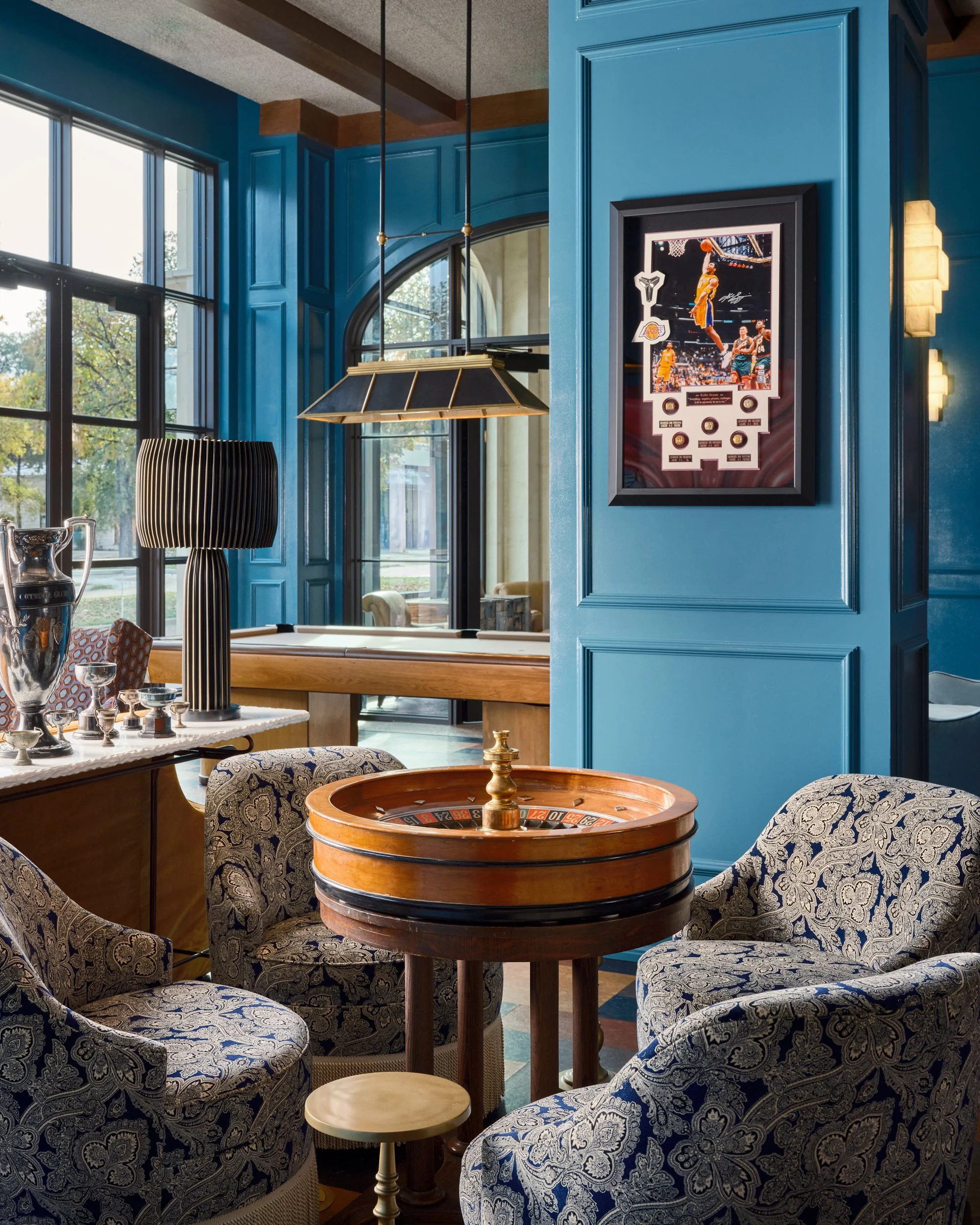
Located in Fort Worth’s Cultural District, Bowie House, Auberge Collection offers a contemporary take on Western style. The property blends modern comfort with a distinctly Texan design, where rich fabrics, warm leathers, and curated artwork sit alongside subtle nods to ranch life and frontier heritage. The result is polished but relaxed, reflecting the character of the city around it. Guest rooms and suites balance comfort with thoughtful design, featuring layered textures, custom furnishings and details that quietly reference the American West without feeling themed. Large windows bring in natural light, while spacious bathrooms and generous layouts create a calm retreat.
The hotel’s communal spaces are designed as much for locals as for visitors. With shelves of books, deep seating and a relaxed atmosphere, it draws a stylish mix of visitors and Fort Worth regulars who come for cocktails, conversation and an easy start or end to the evening.
Visit
A first stop for many visitors is the Fort Worth Stockyards National Historic District, where the city’s cowboy heritage is still very much part of daily life. For more than a century this area has been linked to Texas’s cattle-trading history, and that legacy continues today. Twice a day, the Fort Worth Herd leads longhorn cattle down Exchange Avenue in a traditional cattle drive, guided by cowhands in historically accurate dress. Walking through the Stockyards, historic storefronts, saloons and long-standing Western outfitters line the streets. Bootmakers such as Lucchese and M.L. Leddy’s showcase handcrafted cowboy boots and leather goods, keeping the city’s ranching traditions firmly intact.
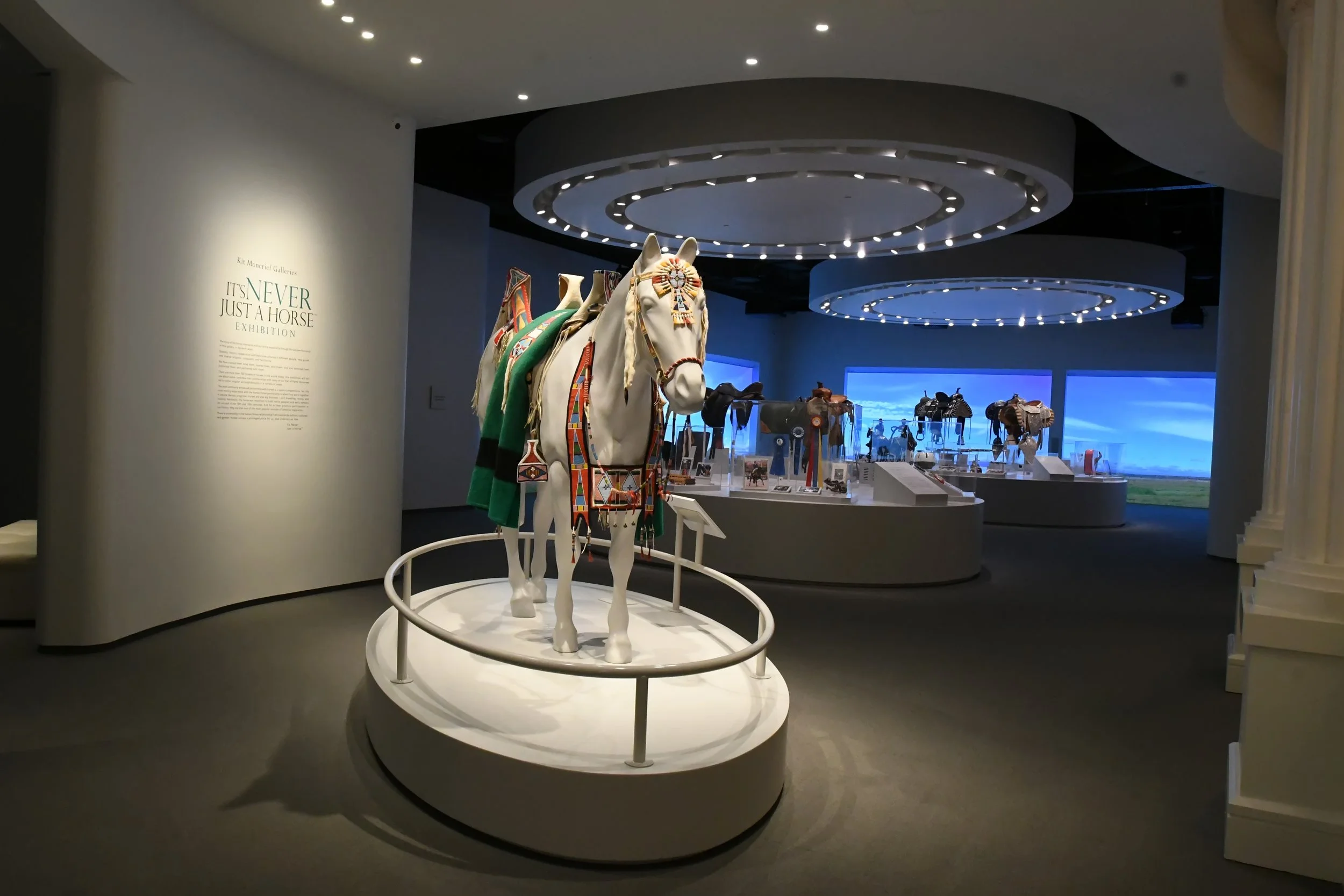
For a different perspective on the city, Fort Worth’s Cultural District is a must. The city’s major museums are situated within walking distance of one another, making it easy to spend a morning or afternoon moving between galleries and striking architectural spaces. The Kimbell Art Museum, Modern Art Museum of Fort Worth and National Cowgirl Museum and Hall of Fame are all located here. The National Cowgirl Museum and Hall of Fame is particularly distinctive, as the only museum in the world dedicated to the women of the American West.
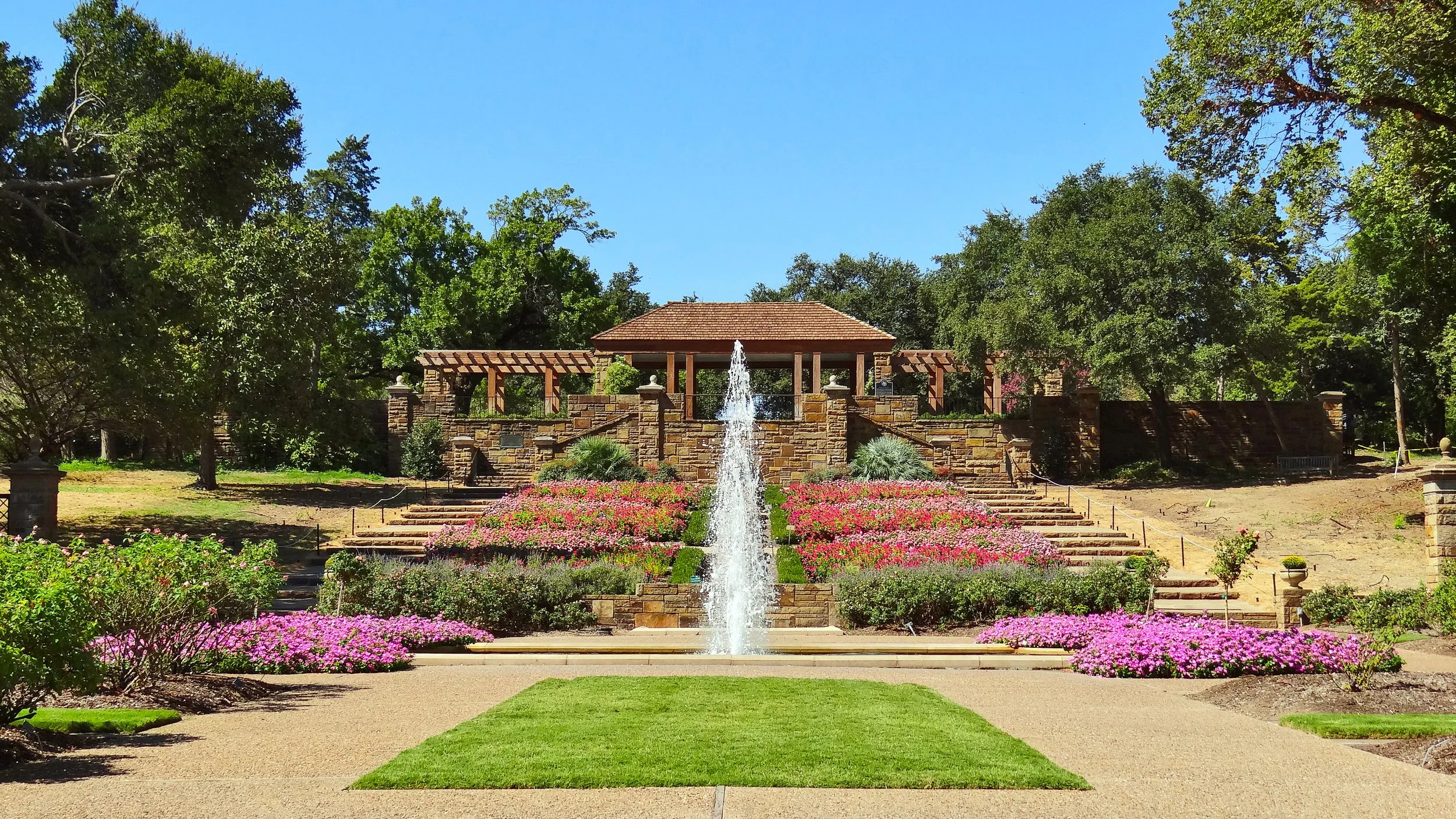
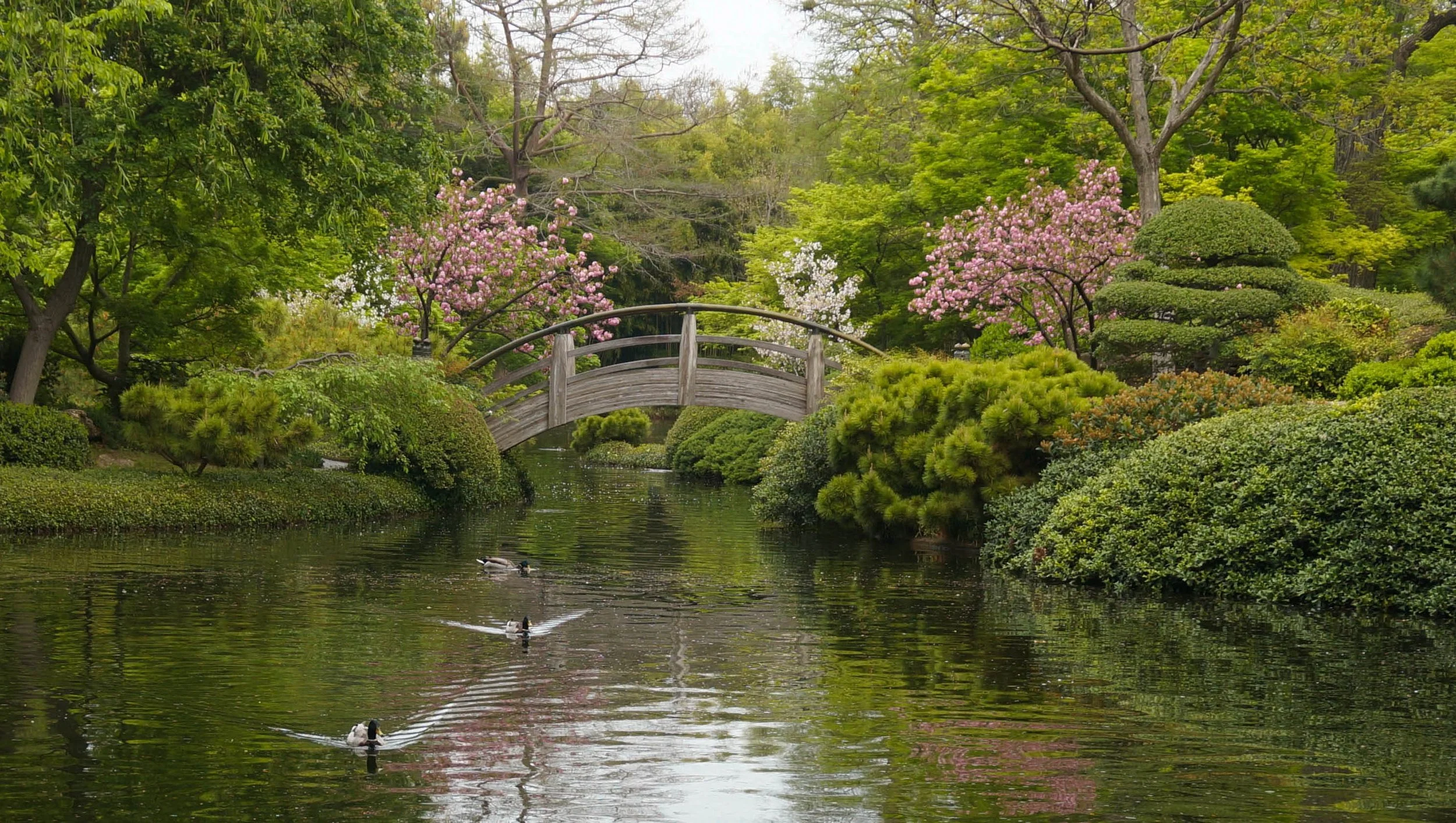
Fort Worth Botanic Garden offers a lush contrast to the city’s historic streets and cultural districts. Spanning more than 110 acres, the garden is home to themed spaces like the Rose and Japanese Gardens, complete with koi ponds, winding bridges, and quiet meditation spots.
Dine
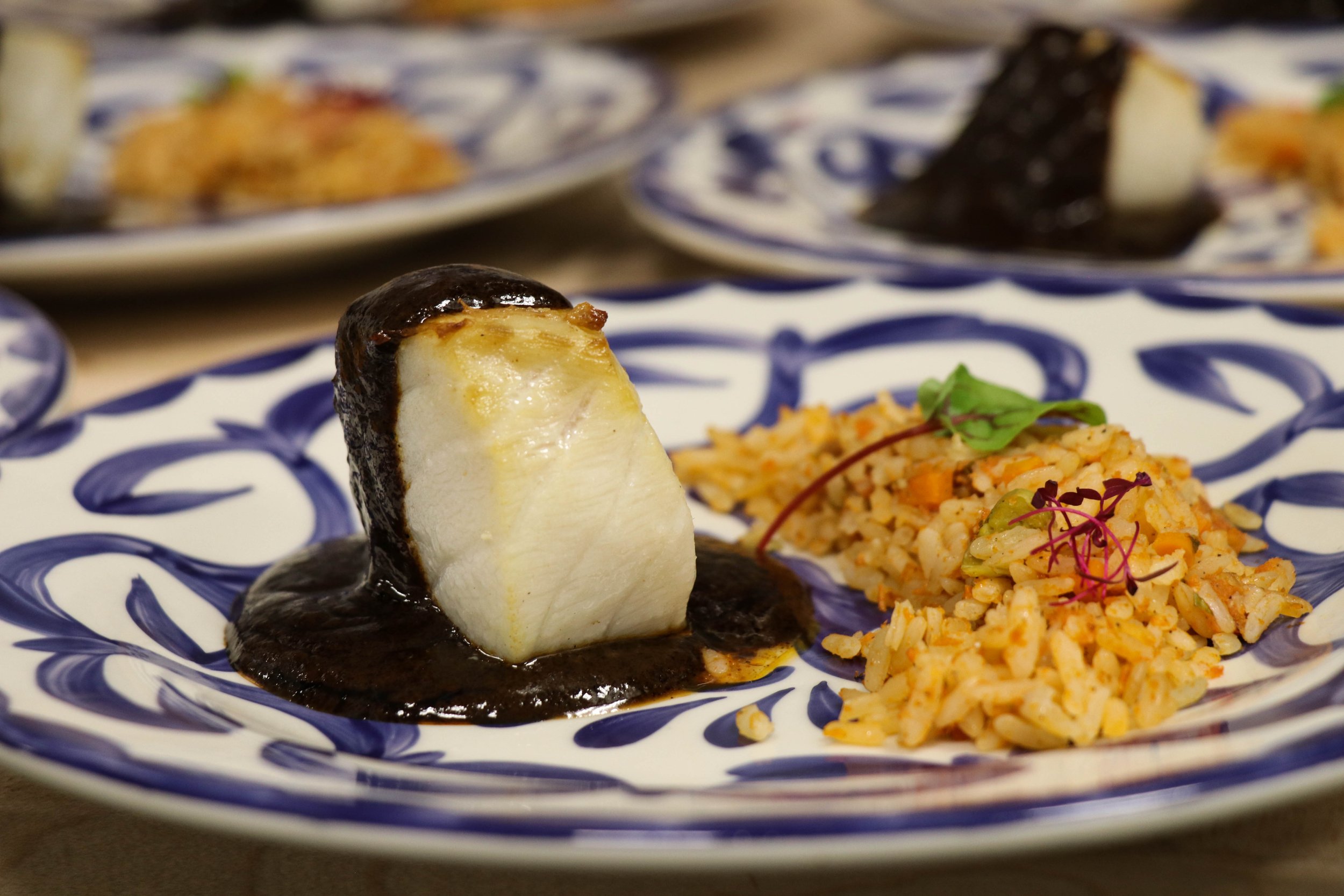
Fort Worth’s dining scene reflects the city’s heritage while embracing contemporary influences. For an elevated take on northern Mexican cooking, Don Artemio reimagines traditional dishes from the Coahuila region with refined techniques and layered flavours, presenting regional classics in a more contemporary way while staying rooted in authentic ingredients and cooking styles.
At Clearfork, Rise N°3 offers a European-style dining experience centred around its signature soufflés. Served in a relaxed dining room that feels closer to a Parisian bistro than a Texas restaurant, the menu pairs both savoury and sweet soufflés with light salads, charcuterie and wine.
For Italian cuisine, 61 Osteria overlooks Burnett Park and provides a sophisticated setting for house-made pasta, seasonal dishes and a well-curated wine list, making it an easy spot to settle in for a relaxed evening meal.
To learn more and plan your visit: www.fortworth.com
Written by Esohe Ebohon